Social Media Optimization: Profiles, Content Systems and Metrics
Social media optimization without follower-count promises: profiles that convert, a content system your team can sustain, link previews that render right and honest measurement.
You want social channels that bring the right people to your product and strengthen your brand, without a team wearing itself out posting every day for likes that never turn into customers. Social media optimization is how you get there. It means profiles that explain who you are in seconds, a content system your team can keep up with, links that look right wherever they’re shared, and measurement tied to real outcomes.
It doesn’t come with a follower-count promise. Audiences grow when content is worth following, and nobody can tell you in advance how fast that will happen. What we commit to is a clear strategy, disciplined execution and regular, transparent reporting.
What social media optimization covers today
The term covers two related jobs. One is your presence on the platforms themselves, meaning profiles, content, community and, where it makes sense, paid promotion. The other is getting your own website and app ready for social, which covers the metadata behind link previews, share flows, deep links and the landing pages people arrive on.
Social media is sometimes pitched as a link-building shortcut for SEO. It isn’t one. Links in social posts are generally marked nofollow, and Google has said that likes and shares aren’t a direct ranking factor. The connection is indirect: people discover your content on social, and later some of them search for your brand and some link to you from their own sites. Our SEO services article covers the search side.
Profiles that do their job
After someone sees a post, your profile is often the next thing they check. It has a few seconds to tell them what this is, whether it’s for them and what to do next. We audit and rebuild profiles on the platforms that matter for your audience, looking at:
- A consistent name and handle everywhere, secured early even on platforms where you don’t plan to post yet.
- An avatar that survives a circular crop, and cover images that leave room for the elements placed over them.
- A bio that states your value in plain language, with a link tagged with UTM parameters so visits can be attributed.
- Pinned or featured content that shows new visitors your best work first.
- Business account types that give you analytics and advertising tools.
We also check something many audits skip, which is access. Shared passwords in a spreadsheet are a security incident waiting to happen. Accounts should be managed through each platform’s business tools, with individual, role-based access and two-factor authentication, so people can be added and removed without anyone changing a password.
A content system your team can sustain
Most teams can produce one good post. Keeping it up for months is the hard part, and that takes a system rather than bursts of inspiration:
- A few content pillars tied to business goals, such as product education, customer stories, behind the scenes and industry insight.
- Native formats chosen per platform: short video, carousels, text posts and long-form video. Content made for one platform and pasted everywhere underperforms.
- Templates built on your brand identity, so a new post takes minutes to produce and still looks like you.
- Repurposing, where one strong piece such as a guide, a webinar or a product release becomes several native posts.
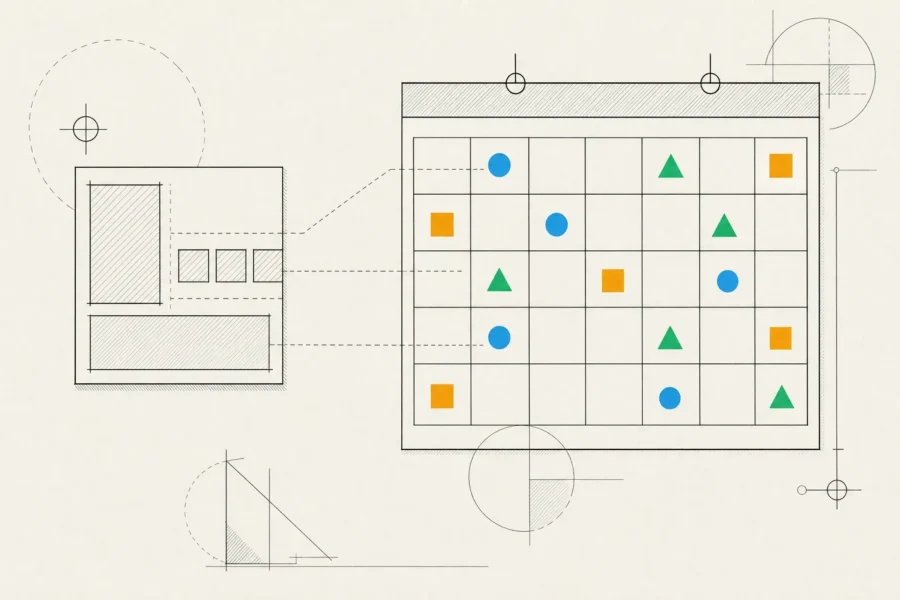
- A calendar and approval flow that fits your team, with legal or compliance review where your industry requires it.
- Community management with agreed response times and a clear path for handing support issues and complaints to the right people.
The trade-off is focus. We’d rather help you do well on the platforms where your audience already spends its attention than spread a small team across every network.
Social sharing metadata: the engineering side
Whenever someone shares one of your links in a post, a group chat or a work channel, the platform fetches the page and builds a preview from its metadata. If the metadata is wrong, your content shows up as a bare URL or with the wrong image. This part of the job belongs to engineers.

- Every shareable page needs Open Graph tags:
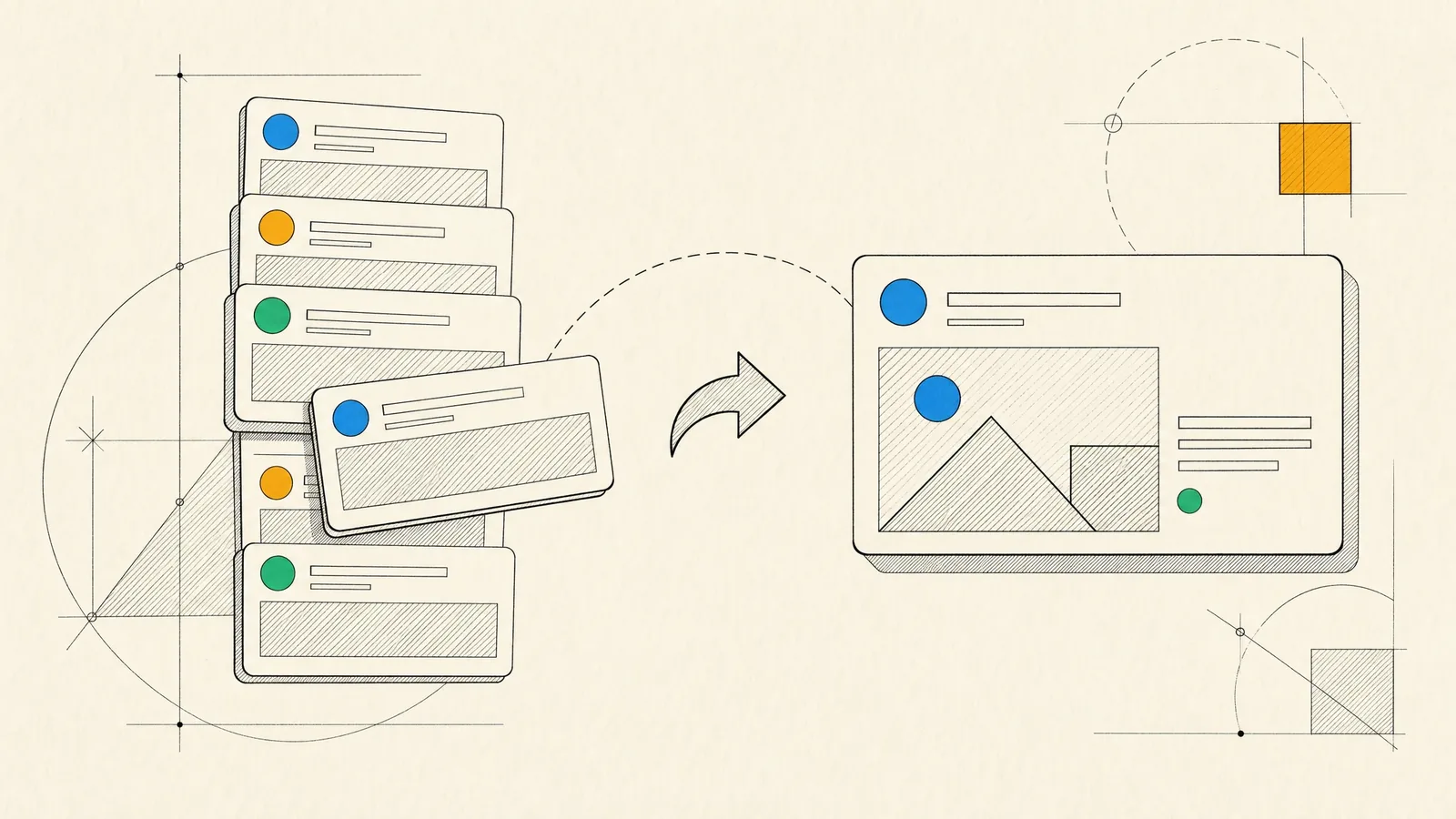
og:title,og:description,og:image,og:urlandog:type. Messaging apps and most social platforms read them. X uses its own card tags, such astwitter:card, and falls back to Open Graph for the title, description and image. - Preview images should be designed for the job. A horizontal image of around 1200 by 630 pixels is the common safe choice, with the important content kept away from the edges, because each platform crops slightly differently. On large sites we generate these images automatically from templates.
- Tags have to be rendered on the server. Most preview crawlers don’t run JavaScript, so tags added on the client side often go unseen.
- Image URLs must be absolute and publicly reachable. Platforms also cache previews, so after changes we refresh them with tools such as Facebook’s Sharing Debugger and LinkedIn’s Post Inspector.
- If you have an app, universal links on iOS and app links on Android open shared content directly in the app instead of the browser.
Measurement that goes beyond follower counts
Reach and engagement are useful early signals, but they aren’t the goal. We measure social by what it contributes (visits, sign-ups, leads and purchases), attributed through consistent UTM tagging. Saves and shares say more about the value of content than likes do. Rising searches for your brand name in Search Console are often the clearest sign that social is working.
A lot of sharing happens in private messages, which analytics records as direct traffic. Asking people at sign-up how they heard about you fills part of that gap. We never buy followers, use fake profiles or join engagement groups. All three distort your data, can reduce your reach, and damage trust once people notice.
Paid social can speed up what already works organically. We set up structured campaigns instead of boosting posts at random, and we test creatives systematically. Conversion events are sent from your server through the platforms’ conversion APIs, so measurement holds up when browsers block tracking. Our digital marketing work then puts social alongside search and lifecycle channels, and the budget follows results.
How an engagement works
We start with an audit of your profiles, recent content and performance, your competitors’ channels, and the social metadata on your website and app. That audit feeds a strategy covering target audiences, platforms, content pillars, a posting rhythm you can sustain and the metrics we’ll report on.
Then comes setup. Our designers build templates and profile assets, while our engineers fix the sharing metadata, set up tracking and ship any landing pages the plan needs. After that we either run the calendar with you or train your team to run it, and once a month we review what worked, what didn’t and what changes next.
Social isn’t the right investment for every company. If your buyers are a small group of specialists reached through direct sales, a thoughtful presence on one professional network may be all you need. In regulated fields such as health and finance, content needs a compliance step, and some claims can’t be made at all. If your budget would work harder somewhere else, we’ll say so.
Frequently asked questions
Can you guarantee a number of followers?
No. Follower counts depend on your content, your market and platform algorithms that change without notice. Anyone who guarantees a number is usually buying followers, which hurts both reach and credibility.
Which platforms should we be on?
The ones where your audience already spends its attention and where you can keep up the formats each platform rewards. B2B companies often start with LinkedIn, and consumer products often start with visual, video-first platforms. We decide from your audience data, not from trends.
Why does our link preview show the wrong image?
Usually it’s missing Open Graph tags, tags added by JavaScript that crawlers never see, relative image URLs, or an old preview cached by the platform. All of these are fixable, and the fix is normally a small engineering task.
Does social media help SEO?
Indirectly. Social activity isn’t a direct ranking factor, but it helps people discover your content, search for your brand and link to you, and those things do influence search.
Will you manage our accounts day to day?
We can, or we can set up the system and train your team to run it. Either way, access goes through role-based business tools with individual logins, never shared passwords.
If your social channels take a lot of effort and you’re not sure what they return, ask us for an audit of your profiles and link previews. We’ll go through the results with you and point out where the effort should go.